
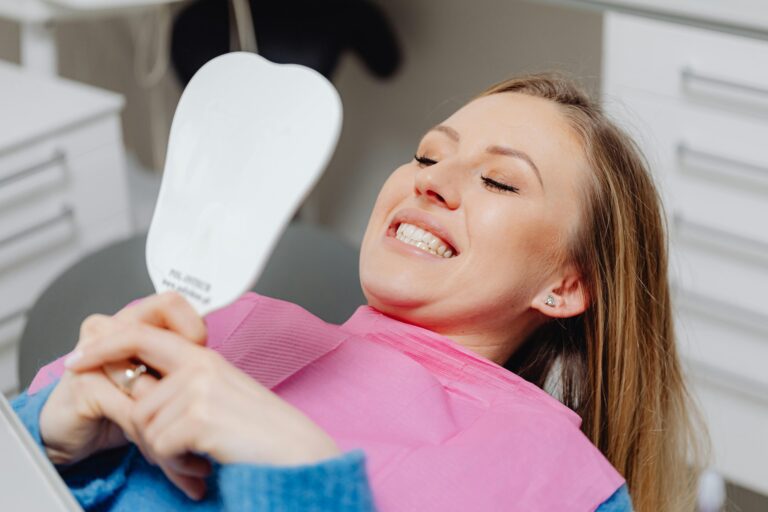
The Best Photos Start With the Right Smile
June arrives and suddenly everything is on the calendar — a beach wedding in Malibu, a family reunion you’ve been putting off, graduation weekend, or a European trip you’ve been planning since January. And somewhere between booking the flights and buying the dress, you realize: every single one of these events will be photographed.
If you’ve been meaning to do something about your smile — whiten your teeth, fix that small chip, or just get a proper cleaning before you leave — June is the month to act. The good news? A few simple appointments can make a significant difference. The bad news? Timing matters more than most people realize.
Here’s your complete pre-event smile checklist, designed for Pasadena patients who want results before the big moment.
How Far Ahead Should You Book? (The Timeline That Actually Works)
This is the question we hear most often: “How long does whitening take before a wedding?” or “Can I whiten my teeth the week before vacation?”
Here’s the honest answer — it depends on the treatment, but here’s a reliable planning guide:
6–8 Weeks Before Your Event: Ideal Window
This is the sweet spot. At this stage, you have time for the following general dentistry procedures:
- A professional cleaning to remove surface stains before whitening (whitening works better on clean enamel)
- In-office whitening (Zoom or similar) with a follow-up touch-up session if needed
- Custom take-home whitening trays plus two full weeks of use for gradual, even results
- Any cosmetic bonding to repair chips or close small gaps, with time for any minor adjustments
Pro tip: Many patients get their best results by combining an in-office session with two weeks of take-home trays. Starting 6–8 weeks out gives you that full runway.
3–4 Weeks Before: Still Workable
You can still achieve meaningful whitening results. A single in-office treatment, followed by a take-home touch-up kit, typically lifts teeth 4–8 shades. For most people, this is more than enough for photos.
At this stage, we’d also want to do a quick exam and cleaning to make sure there’s nothing that will interfere — active cavities, gum inflammation, or heavy tartar can all blunt whitening results.
1–2 Weeks Before: Proceed Carefully
Last-minute whitening is possible, but we recommend against aggressive treatment right before a big event. Teeth can be temporarily sensitive after whitening, and you don’t want to be eating your rehearsal dinner through a straw.
What we do recommend in the final two weeks: a professional cleaning, a whitening touch-up with trays, and avoiding staining foods and drinks (more on that below).
The Day Before: Stick to Maintenance Only
No new treatments the day before an event. Instead, brush carefully, use your whitening toothpaste, and protect what you’ve already achieved.
Foods and Drinks That Undo Your Whitening (Especially in Summer)
Summer is full of beautiful, staining foods. Before your event — ideally for 48–72 hours before photos — limit or avoid:
Dark beverages:
- Red wine (the most notorious stainer)
- Black coffee (or rinse with water immediately after drinking)
- Dark sodas, particularly cola
- Black tea and dark fruit juices (pomegranate, grape, blueberry)
High-pigment foods:
- Tomato-based sauces (pasta, curry, salsa)
- Balsamic vinegar and soy sauce
- Berries — blueberries, blackberries, raspberries
- Beets
Acidic foods that open the enamel surface temporarily (making staining worse):
- Citrus fruits and juices in large quantities immediately before eating dark foods
- Vinegar-heavy salads
The “white diet” principle: In the 48 hours before a major event, many cosmetic dentists recommend a “white diet” — chicken, fish, white rice, cauliflower, bananas, milk, and plain water. It sounds boring, but the difference in photos can be noticeable.
After your event, you can go right back to that açai bowl.
Quick Fixes: Bonding vs. Whitening — Which Do You Need?
These two treatments often come up together, but they solve different problems. Here’s a clear breakdown:
Professional Teeth Whitening
Best for: Surface and deep staining from coffee, wine, aging, or tobacco
How it works: Peroxide-based gel breaks down stain molecules inside the enamel. In-office treatments use a higher concentration activated by LED light for faster, more dramatic results. Take-home trays use a lower concentration applied daily over 1–2 weeks.
Results: 4–8+ shades lighter, depending on starting color and tooth composition
Longevity: 6 months to 2 years with proper maintenance
What it won’t fix: Chips, cracks, uneven edges, or intrinsic discoloration from medications (tetracycline staining, for example, requires veneers or bonding)
Cosmetic Dental Bonding
Best for: Chips, small cracks, minor gaps between teeth, slightly uneven edges
How it works: Tooth-colored composite resin is applied directly to the tooth, shaped by hand, hardened with a curing light, and polished. Done in a single visit — usually 30–60 minutes per tooth.
Results: Instant correction of shape and surface imperfections
Longevity: 5–10 years with care (avoid biting hard objects or ice)
What it won’t fix: Deep staining or discoloration — which is why we typically whiten first, then bond, so the bonding material matches your brightened smile
The Combination Approach
For patients preparing for a wedding or major photographic event, the most effective approach is often:
- Whiten teeth to your desired shade (2–4 weeks out)
- Wait 1–2 weeks for the whitening to stabilize
- Perform any bonding so the composite matches your new, lighter shade
If you reverse this order, your bonding will look great initially — and then your teeth will whiten around it, leaving the bonded areas visibly darker. Timing and sequencing matter.
Don’t Skip the Pre-Trip Dental Check-Up
If you’re heading out of the country, to a remote location, or even on a cruise, a pre-vacation dental check-up is one of the most practical things you can do.
Here’s why this matters:
Dental emergencies are among the most common medical issues that affect travelers. A loose crown, a cracked tooth, or a brewing abscess that’s been quiet can flare up at the worst moment — on a flight, in a foreign country, or hours from the nearest dentist.
What a pre-trip dental exam should include:
- Full exam with X-rays to catch anything lurking beneath the surface
- Check all existing restorations — crowns, fillings, and veneers — for signs of failure
- Gum health assessment, since gum infections can escalate quickly
- Treatment or monitoring of anything borderline before you leave
When to schedule it: Ideally 3–4 weeks before departure, so there’s time to address anything found without rushing. If you’re leaving in a week and haven’t been to the dentist in over a year, still come in — catching a problem now is far better than dealing with a dental emergency abroad.
What to bring on your trip: If you have ongoing dental treatment (Invisalign, temporary restorations, or prescribed oral medications), bring all relevant supplies plus your dentist’s emergency contact number.
Frequently Asked Questions About Pre-Event Smile Care
How long does professional teeth whitening last?
In-office whitening typically lasts 6–12 months with normal coffee and wine consumption. With maintenance trays used once a month and mindful habits, results can last 1–2 years. Touch-ups are quick and easy once you have custom trays.
Can I whiten my teeth if I have crowns or veneers?
Whitening gel does not change the color of crowns, veneers, or bonding. If your natural teeth whiten significantly and your restorations don’t match, replacements may be needed. This is another reason to whiten first, then restore — and to discuss the plan with your dentist before starting.
Is teeth whitening safe before a wedding?
Yes, professional whitening is safe and well-studied. Some patients experience temporary sensitivity for 24–48 hours after treatment. Using a sensitivity toothpaste for a week before and after whitening helps most patients avoid discomfort entirely. We’d suggest finishing whitening at least a week before the big day.
What if I just want a cleaning before a trip?
A professional cleaning is always a smart idea before travel. It removes tartar buildup that can contribute to gum disease, eliminates the surface stains that over-the-counter products can’t touch, and gives you a baseline check for anything that needs attention. It also means your whitening results, if you pursue them, will be more even and effective.
How much does a smile makeover cost in Pasadena? Smile makeover costs vary based on the treatments involved. A professional whitening session typically ranges from $300–$700. Cosmetic bonding runs $200–$600 per tooth. Full smile makeovers that include veneers or a combination of treatments are customized and priced during a consultation. Many offices offer financing and flexible payment plans. The best first step is always a consultation to get a clear picture of what your specific goals would require.
Ready to Prep Your Smile for Summer?
Whether you have a wedding date, a reunion weekend, or a bucket-list trip on the calendar, the right time to schedule your consultation is right now. Most of the best outcomes in cosmetic dentistry come from having a few weeks of runway — and June gives you exactly that before the peak summer season hits.
Book a summer smile consultation with Premier Dental Group team today. We’ll review your goals, assess what’s possible in your timeline, and build a simple plan to get you there.
Located in Pasadena, CA. Accepting new patients. Same-week consultations available.
Quick Reference: Pre-Event Smile Timeline
| Time Before Event | Recommended Action |
| 6–8 weeks | Full exam, cleaning, whitening, bonding if needed |
| 3–4 weeks | In-office whitening + take-home trays, travel dental check |
| 1–2 weeks | Touch-up trays, avoid staining foods, sensitivity management |
| 48–72 hours | White diet, gentle brushing, no new treatments |
| Day of event | Whitening toothpaste, fresh clean, confidence |
This article is intended for general informational purposes. For personalized dental advice, consult our dentists today.