
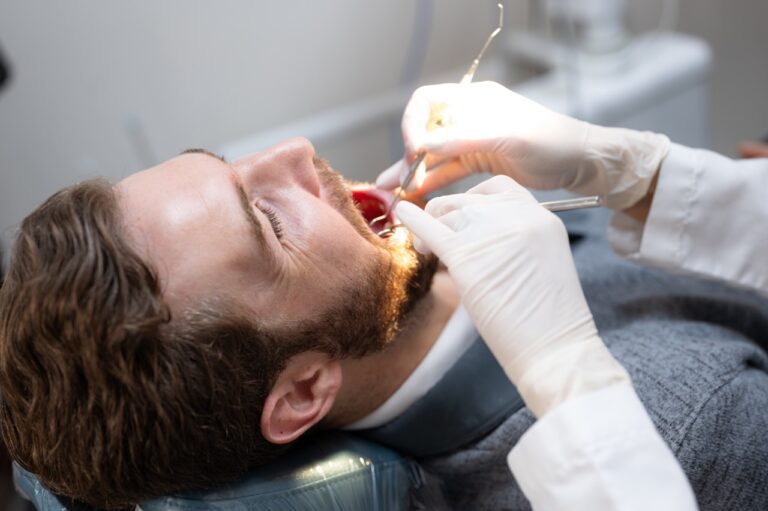
A cavity is more than a small spot on a tooth. It is a form of tooth decay that can progress from early enamel weakening to deeper damage that affects dentin and, eventually, the tooth’s nerve. The good news is that modern dentistry offers several effective cavity treatment options, and choosing the right one usually depends on how far the decay has progressed.
This guide breaks down common cavity treatment approaches in a simple list format, along with what they are best for, what to expect, and why professional dental care is still the most reliable way to treat cavities safely and thoroughly. The CDC specifically notes that dentists may recommend fluoride or other products for small cavities, fillings for larger cavities, and root canal therapy or extraction when decay reaches the nerve or severely compromises the tooth.
1. Professional Fluoride Treatment for Early Decay
Best for: Very early-stage decay, when enamel is beginning to weaken but there is not a large hole in the tooth.
How it works: Fluoride helps strengthen enamel and can slow, stop, or sometimes reverse early demineralization. The National Institute of Dental and Craniofacial Research explains that fluoride can prevent tooth decay from progressing and can even reverse early decay in some cases.
Why a dentist matters: Early decay can be difficult to see on your own. A dentist can identify the problem early, then apply a professional-strength fluoride varnish or gel and recommend a tailored prevention plan.
2. Dental Fillings (Composite Resin) for Typical Cavities
Best for: Most “standard” cavities that have formed a hole and require removal of decayed tooth structure.
How it works: The dentist removes decayed tissue and restores the tooth with a filling material. This protects the tooth, restores function, and helps prevent the cavity from spreading.
What to expect: Typically completed in one visit with local anesthetic. The filling is shaped to match your natural bite.
Why a dentist matters: A properly placed filling requires complete decay removal, precise bonding, and bite adjustment. DIY fixes do not remove decay, and leaving decay behind increases the risk of pain, infection, or a more complex procedure later.
3. Inlays and Onlays for Larger or More Complex Cavities
Best for: Cavities that are too large for a simple filling but do not require a full crown.
How it works: An inlay or onlay is a custom restoration made to fit the damaged area. It provides a stronger, longer-lasting solution when a tooth has lost more structure.
What to expect: Often requires two visits, one for preparation and impressions or scans, and another for placement.
Why a dentist matters: This is a precision restoration. Proper fit and sealing are critical to prevent future decay at the margins.
4. Dental Crowns for Heavily Damaged Teeth
Best for: Teeth with extensive decay, cracks, or a large portion of tooth structure missing.
How it works: A crown covers and protects the tooth like a cap, restoring strength and reducing fracture risk.
What to expect: Tooth preparation, then a custom crown is fitted and cemented. Some cases may use a temporary crown while the final crown is fabricated.
Why a dentist matters: If a tooth is weak, attempting to “wait it out” can lead to breakage and more invasive treatment. Crowns are often recommended to stabilize a tooth after significant decay removal.
5. Root Canal Therapy When Decay Reaches the Nerve
Best for: Deep cavities that reach the pulp (the tooth’s inner nerve and blood supply) or cause infection.
How it works: Root canal therapy removes infected or inflamed pulp tissue and seals the inside of the tooth to prevent reinfection. MedlinePlus notes a root canal is recommended when the tooth’s pulp is exposed to bacteria or the nerve dies from decay or injury, and that a crown is needed in most cases afterward to seal and protect the tooth.
What to expect: Modern root canals are typically more comfortable than their reputation suggests, especially when infection-related pain is addressed.
Why a dentist matters: This is the tooth-saving option for advanced decay. Delaying care increases the chance of abscess, swelling, and tooth loss.
6. Tooth Extraction When the Tooth Cannot Be Saved
Best for: Teeth with severe decay below the gumline, significant structural loss, or recurrent infection that is not predictable to restore.
How it works: The tooth is removed to eliminate infection and pain. Depending on your goals and oral health, you may replace the tooth with an implant, bridge, or partial denture.
What to expect: A focused exam and imaging will confirm if a tooth is salvageable. Your dentist will review replacement options if extraction is necessary.
Why a dentist matters: A dentist can help you avoid extractions when possible, and when extraction is the right call, they can plan for function and aesthetics long-term.
7. Silver Diamine Fluoride for Certain High-Risk Situations
Best for: Some patients with high cavity risk, certain pediatric cases, seniors, or individuals who need a conservative approach.
How it works: Silver diamine fluoride can help slow or stop decay in selected cases. It is not a replacement for definitive treatment in every scenario, but it can be helpful as part of a dentist-managed plan.
Important note: It can darken the decayed area, which may not be aesthetically preferred, especially on visible teeth.
Why a dentist matters: This is a clinical decision based on location of decay, esthetics, risk, and long-term planning.
What You Can Do at Home (and What You Should Not Rely On)
Helpful while you wait for your appointment:
- Brush gently with fluoride toothpaste and floss daily.
- Rinse with warm salt water if the area feels irritated.
- Avoid very sugary snacks and frequent sipping on sweet drinks.
- If pain is present, use over-the-counter pain relief only as directed on the label.
What to avoid:
- Temporary “patch” products as a substitute for dental care.
- Ignoring sensitivity or pain, since cavities can progress quietly.
- Relying on home remedies to “heal” a true cavity that has formed a hole.
If you suspect a cavity, the most reliable next step is a dental exam. Dentists can confirm whether decay is in an early stage where fluoride may help or whether you need a filling or another restoration.
Signs You Should Book a Dental Visit Soon
Consider scheduling an appointment if you notice:
- Tooth sensitivity to cold, hot, or sweets
- Pain when chewing
- A visible dark spot or hole
- Food consistently getting stuck in one area
- Bad taste or persistent bad breath (possible sign of decay or infection)
- Gum swelling near a tooth
Cavity Treatment FAQs
Can a cavity go away on its own?
A true cavity (a hole in the tooth) generally does not go away without treatment. Very early enamel changes may be slowed or reversed with fluoride under professional guidance.
Does a filling hurt?
Most fillings are done with local anesthetic, so you should feel pressure but not pain. If you are anxious, your dentist can discuss comfort options.
How do I know if I need a root canal?
If decay reaches the tooth’s nerve or infection develops, root canal therapy may be recommended. A dentist confirms this with an exam and imaging, then recommends the most predictable option.
What happens if I ignore a cavity?
Cavities can deepen, causing pain, infection, and higher-cost treatment. In advanced cases, you may need a root canal or extraction.
Book a Cavity Evaluation in Pasadena
If you suspect a cavity, the fastest way to protect your tooth is to schedule a professional evaluation. Premier Care Dental Group is a trusted dentist in Pasadena, CA, and your dentist can confirm what stage the decay is in and recommend the most effective treatment option.
Ready to take care of it properly?
Book a consultation with Premier Care Dental Group.